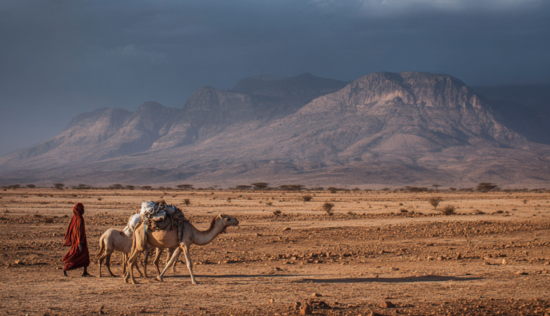
Somalia’s harsh climate and limited water supply fostered a mobile, clan-based social structure that valued kinship and pastoralism.

Online growth, one step at a time.
Somalia’s harsh climate and limited water supply fostered a mobile, clan-based social structure that valued kinship and pastoralism.
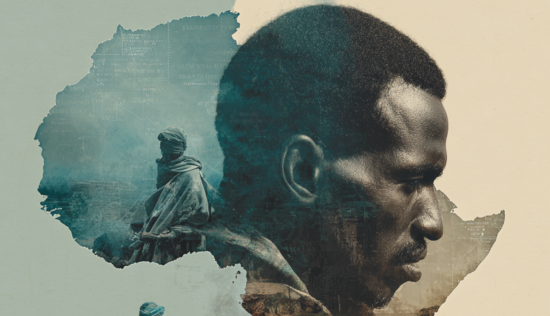
National security in Somalia was shaped by the country’s pursuit of Greater Somalia and its conflict with neighboring states. For much of its modern history, Somalia sought to unite all Somali-inhabited territories in Ethiopia, Kenya, and Djibouti.
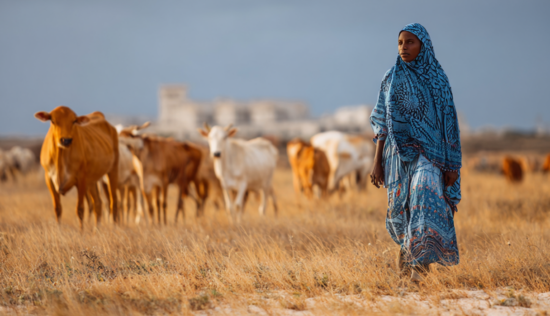
Somalia’s economy was dominated by livestock herding and small-scale farming, with very limited industrialization and almost no resource exploitation.
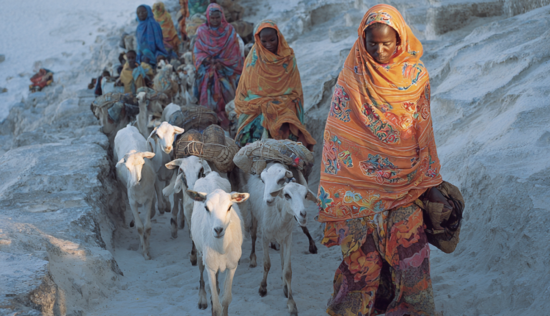
The Somali civil war disrupted every aspect of economic life, destroying formal structures and leaving communities to rely on informal systems of survival. In this vacuum, women emerged as central figures in trade.

For more than seventeen years, Somalia endured one of the world’s worst humanitarian crises, marked by widespread violence, destruction of property, the deaths of hundreds of thousands, and the displacement of millions.

The aftermath of Somalia’s devastating civil war placed women at the center of recovery and rebuilding.

Somalia’s history stretches back thousands of years and has long been tied to its geography and trading position.

After independence in 1960, Somalia adopted a parliamentary system modeled on Western democracies. Multiple political parties emerged, though most were rooted in clan loyalties rather than ideological differences.

Migration to Western countries brought profound changes to Somali families, reshaping household structures and creating new tensions.

Discover Somalia’s history from independence to 2025: Siad Barre, civil war, Al-Shabaab, famines, and peacebuilding efforts shaping the nation.