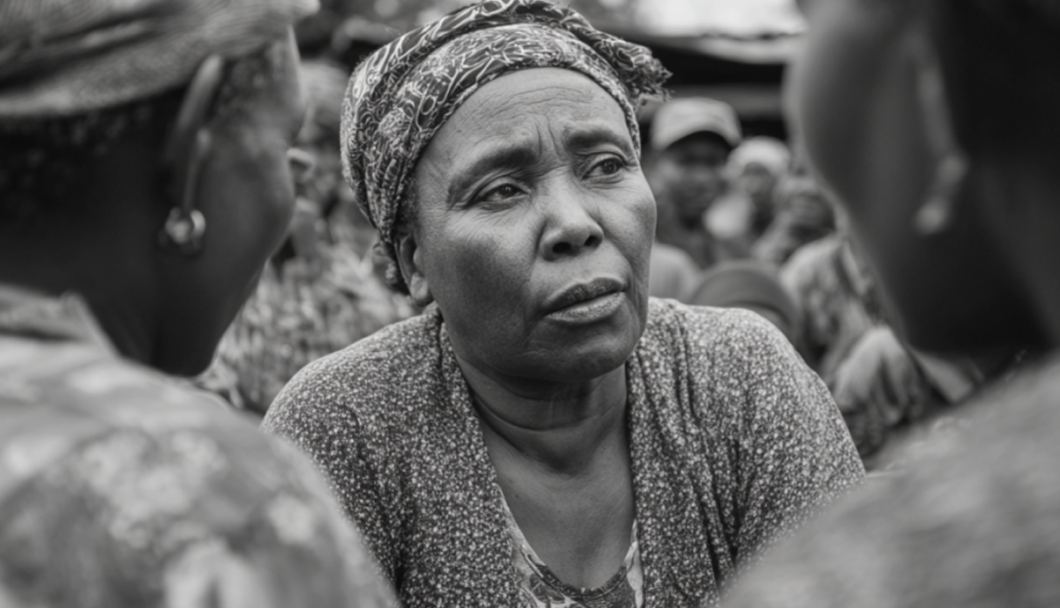
Women took on roles as mediators and negotiators, stepping into disputes between clans and families.

Online growth, one step at a time.
Take a deep dive into the world of Somalia!
Women took on roles as mediators and negotiators, stepping into disputes between clans and families.
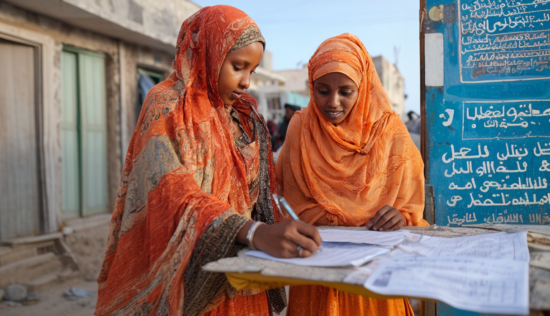
Clan identity lies at the heart of Somali social and political life, serving as both a source of solidarity and a driver of conflict.
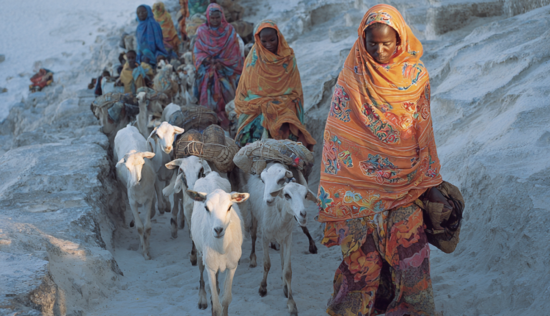
In many ways, women are the backbone of the Somali pastoral economy. Women’s work in the pastoral economy is wide-ranging and essential.
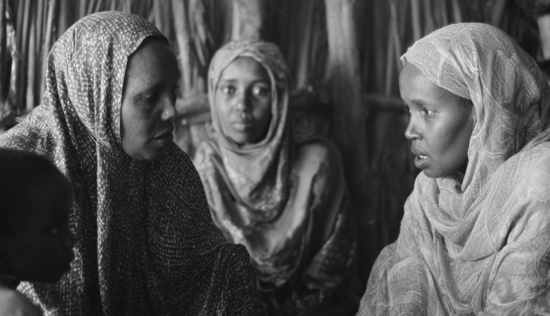
The end of Siad Barre’s rule in 1991 brought both the declaration of Somaliland’s independence and the eruption of violent clan-based conflicts.
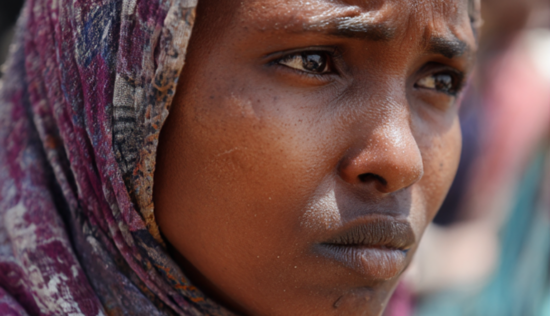
The Somali civil war brought immense suffering to women and girls, who endured some of the conflict’s most brutal consequences.
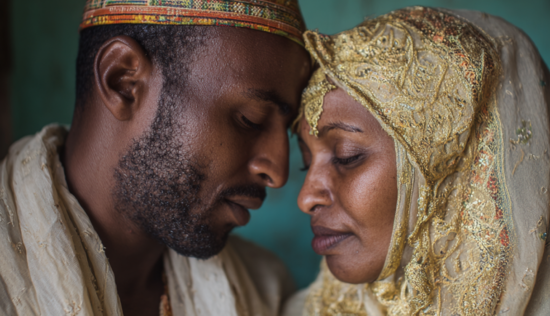
Marriage has always been one of the most important institutions in Somali society, deeply shaped by clan identity, Islamic principles, and customary law known as xeer.
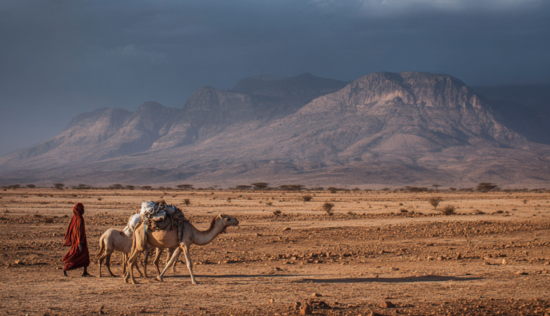
Somalia’s harsh climate and limited water supply fostered a mobile, clan-based social structure that valued kinship and pastoralism.
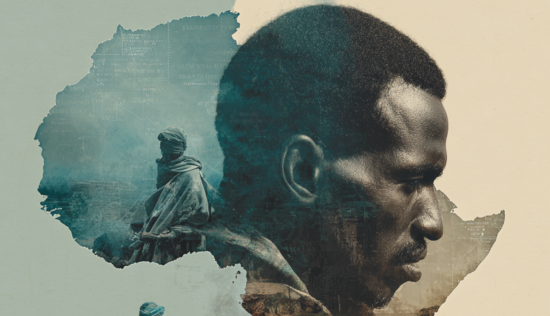
National security in Somalia was shaped by the country’s pursuit of Greater Somalia and its conflict with neighboring states. For much of its modern history, Somalia sought to unite all Somali-inhabited territories in Ethiopia, Kenya, and Djibouti.
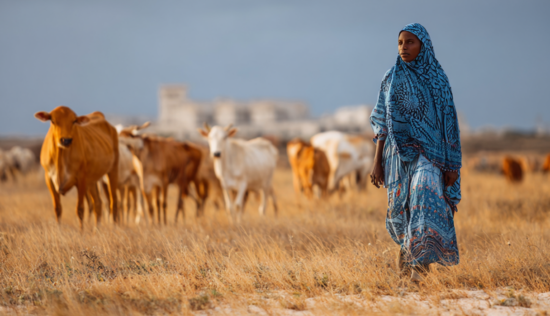
Somalia’s economy was dominated by livestock herding and small-scale farming, with very limited industrialization and almost no resource exploitation.
The Somali civil war disrupted every aspect of economic life, destroying formal structures and leaving communities to rely on informal systems of survival. In this vacuum, women emerged as central figures in trade.