In this mapping approach, organizations identify key strategic objectives and then break them down into specific, actionable tasks that can be executed across various levels of the organization.


Online growth, one step at a time.
In this mapping approach, organizations identify key strategic objectives and then break them down into specific, actionable tasks that can be executed across various levels of the organization.
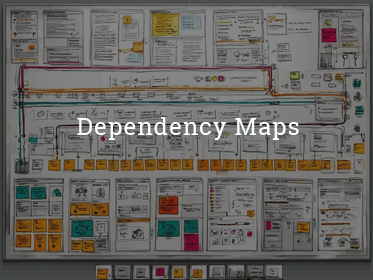
In today’s agile workplace, dependency management has evolved into an art form. Teams must remain nimble, adapting their workflows while respecting these crucial task relationships.

According to industry observations, design trade-offs result in the most significant technical debt, which code quality measurements cannot detect. Assessing technical debt in industry and research is difficult due to the lack of practical tools.
Acceptance criteria define the requirements a product must meet before completion. These standards establish clear expectations for quality, functionality, and performance that all team members understand and work toward.

The commitment point in Agile development represents a decisive moment when a development team formally accepts responsibility for specific deliverables within a defined sprint period.

Cost of delay in Agile development measures the financial impact of project postponement. This concept helps teams understand what happens when features or decisions are delayed.
Little’s Law reveals fundamental relationships in operational systems. This principle connects three key elements: items in a system, their arrival rate, and processing time.

Entry Criteria establish the conditions teams must meet before beginning new work phases or iterations. By meeting these requirements, upcoming tasks will be prepared and ready for completion.

Organisations are changing, switching to an increasingly collaborate context. The development has been, in part, exacerbated by the growing technological and increasingly digitised nature of the workplace. The 21st century is continually challenging organisations to adopt and promote a new set of principles, attitudes, and values that embrace collaboration, de-centralised decision making, and teamwork. Explore the nature of cross-functional teams that are at the heart of this changing workforce.

The agile mindset emphasizes adaptability and continuous improvement. Team members adjust their strategies based on new information rather than following rigid plans. Flexible organizations adapt to rapid environmental changes.