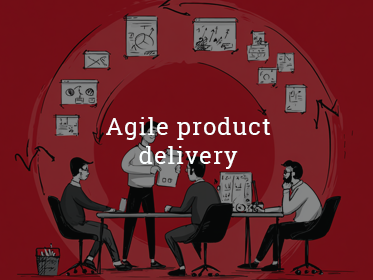
Agile product delivery emphasises the following: flexibility, customer collaboration, dedication to delivering high-value products. All this happens incrementally.

Online growth, one step at a time.
Agile product delivery emphasises the following: flexibility, customer collaboration, dedication to delivering high-value products. All this happens incrementally.

Agile enablers refer to activities or deliverables that indirectly contribute to product development but are essential to a smooth project transition. Essentially, they are the tasks or efforts that prepare your Agile project for success. Many enablers exist, from architectural work to infrastructure improvements to research.
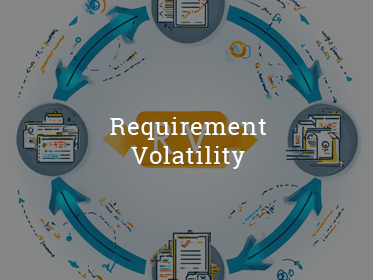
Requirements volatility (RV) refers to additions, deletions, and requirements modifications during the system’s development life cycle. Requirements volatility is defined as the tendency of requirements to change over time. Requirements are added, deleted, and modified throughout the software development life cycle.

Sprint planning marks the beginning of each sprint or iteration of work. This meeting is designed to align the team on the tasks to be completed during the upcoming sprint and ensure that everyone…
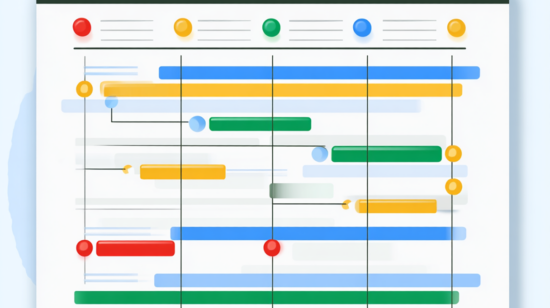
A release roadmap is a document that outlines the schedule and objectives for upcoming product releases. Typically, it spans a three to six-month period, though sometimes it is organized around shorter sprints.

Writing code that’s easy to read and understand is essential to ensuring clean code. This enables others to comprehend its purpose at a glance. Writing clean code makes it simpler to follow the logic, aiding other developers in understanding it.
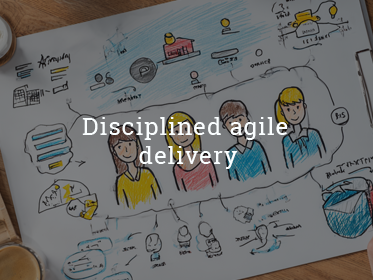
According to the Disciplined Agile Process (D.A.D.), stakeholders recognize that external customers are not always the project’s focus. The term “customer” has become popular among some software teams because it has shifted their focus from technology to business needs.

Coding standards, measurement audits, and metrics are crucial to F.D.D.’s quality concept. Feature-driven development prioritises meetings compared to other methodologies (such as Scrum and XP).
SAFe, or scaled agile framework, was developed by Dean Leffingwell and Drew Jemilo to address a businesses’ evolving needs. When it was created, software development teams were largely reliant on traditional project management techniques.
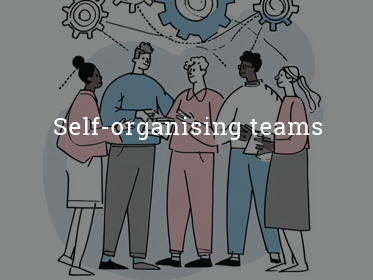
Self-organising teams are groups that work together toward a common goal, making decisions and managing tasks without supervision or authority from an outside source.