
“Customer Data Platform” is one of the most oversold terms in marketing technology, pitched to businesses that don’t need one and constantly confused with the CRM they already have. The result is a lot of companies either buying an expensive CDP they’ll never use, or vaguely worrying they’re missing out on one. The honest answer to “do I need a CDP?” is: probably not yet, and here’s exactly how to tell. This piece clears up what a CDP actually does, how it differs from a CRM, and the specific signal that means you genuinely need one.
What each one is for
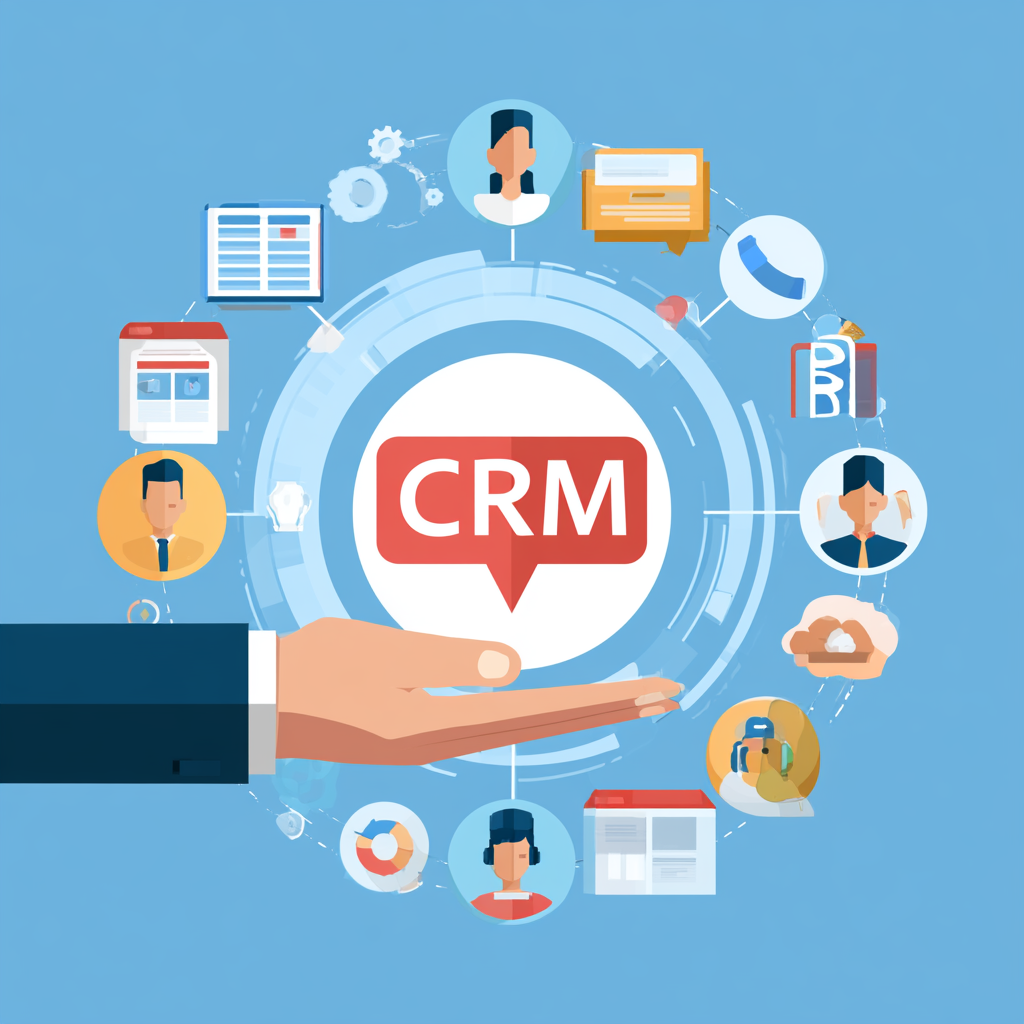
The confusion starts because both deal with customer data, but they solve different problems. A CRM manages relationships and the sales process — it’s where your team records contacts, deals, conversations, and the human side of customer relationships. It’s built for people to use, to manage and progress relationships.
A CDP unifies customer data from many sources into a single, complete profile — pulling together what someone did on your website, in your app, in your emails, in your purchase history, and stitching it into one coherent view. It’s built less for a salesperson to work in and more to be the unified data foundation that other tools draw on. A CRM is about managing relationships; a CDP is about unifying data. They overlap but aren’t substitutes.
The problem a CDP actually solves
A CDP exists to solve one specific, real problem: customer data scattered across many disconnected systems, with no single place that knows the whole customer. When your website analytics, your email tool, your purchase records, your support system, and your ads platform each hold a fragment of the customer and none of them talk to each other, you can’t see or act on the complete person. A CDP’s job is to fix exactly that fragmentation — to become the one place that knows everything about each customer, so you can act on the whole picture.
This framing is the key to the whole decision. A CDP is the answer to fragmentation across many data sources — so if you don’t have that problem at scale, you don’t need a CDP. The tool solves a specific pain, and businesses without that pain are buying a solution to a problem they don’t have.
Do you actually need one?
Here’s the practical test, stated plainly. You likely need a CDP if you have many separate systems collecting customer data, enough data volume and complexity that unifying it manually is genuinely impractical, and concrete things you want to do — sophisticated personalisation, cross-channel coordination — that require the unified profile a CDP provides. That’s typically larger businesses with complex, multi-channel operations.
You likely don’t need one if your customer data lives in just a few systems that already integrate reasonably well, your CRM and existing tools already give you an adequate view of customers, or you don’t yet have personalisation ambitions that demand a unified profile. For most small and mid-sized businesses, the CRM and a few well-integrated tools cover the need, and a CDP would be expensive complexity solving a problem they don’t have at the scale that justifies it. When in doubt, the answer is usually “not yet.”
Don’t buy ahead of the problem
The temptation is to buy a CDP as future-proofing — to be ready for the data sophistication you imagine you’ll need. Resist it. A CDP is a significant investment in cost and complexity, and adopting one before you have the fragmentation problem it solves means paying for and maintaining infrastructure that sits underused. The better path is to integrate the tools you have as well as you can, get genuine value from your CRM, and adopt a CDP when you actually hit the wall of data fragmentation that makes the manual approach impractical. Let the real problem, at real scale, trigger the purchase — not the fear of missing out.
The bottom line
A CRM manages relationships; a CDP unifies fragmented customer data into a single profile — different tools for different problems. You need a CDP when customer data is genuinely scattered across many systems at a scale that makes manual unification impractical and you have concrete personalisation goals that require the unified view. Most smaller businesses, with data in a few well-integrated tools, don’t — and shouldn’t buy ahead of the problem. Diagnose the fragmentation honestly, and let real need, not vendor pressure, decide.
Want an honest read on whether your business actually needs a CDP? Get in touch.