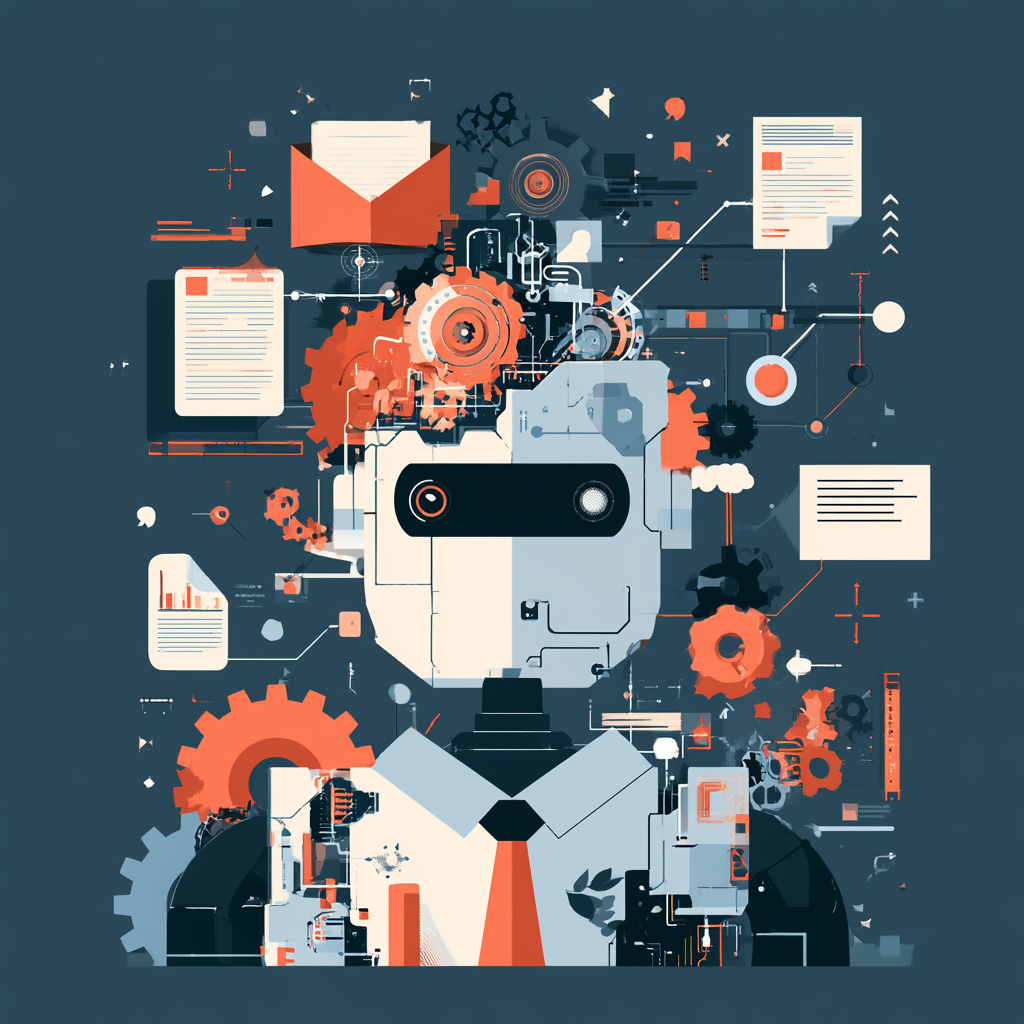
Marketing automation is genuinely powerful and genuinely easy to misuse, and the line between the two is sharper than vendors admit. Used well, it does the repetitive, time-sensitive work no human could keep up with, freeing your team for the work that needs a human. Used badly, it turns your marketing into a machine that spams people with irrelevant, badly-timed messages and erodes the relationships it was meant to build. The tool is the same; the difference is entirely in judgement. This piece is about where automation helps, where it hurts, and how to tell the two apart.
Automation amplifies — including your mistakes
The core thing to understand is that automation is a multiplier, not a brain. It does whatever you tell it, at scale, without judgement — which means it amplifies good marketing and bad marketing equally. A thoughtful welcome sequence becomes a thoughtful welcome sequence delivered flawlessly to thousands; a tone-deaf, pushy campaign becomes a tone-deaf, pushy campaign inflicted on thousands. Automation doesn’t make marketing good; it makes whatever you’ve built bigger. So before automating anything, the question is whether the thing you’re about to automate is actually good — because you’re about to do a lot more of it.
This is why “let’s automate our marketing” is the wrong framing. The right one is “what good, repetitive marketing do we do that automation could scale?” — which leads to very different, much better decisions.
Where automation genuinely helps
Automation earns its keep on tasks that are repetitive, time-sensitive, and benefit from consistency — work that humans do worse, slower, or not at all.
- Triggered responses. A welcome email when someone signs up, a follow-up when someone downloads something, a reminder when a cart is abandoned — timely messages tied to a real action, delivered instantly without anyone lifting a finger.
- Lead nurturing. Guiding interested-but-not-ready prospects through a sequence of genuinely useful content over time, keeping you present until they’re ready to act.
- Repetitive operational tasks. Routing leads, updating records, sending routine confirmations — the administrative work that consumes time and adds no human value.
The common thread is that these are tasks where consistency and timeliness matter more than human nuance, and where doing them manually is either impossible at scale or a waste of people’s time. That’s automation’s sweet spot.
Where automation hurts
The damage starts when automation is used as a substitute for relevance and judgement rather than a way to scale them.
- Over-automation that feels robotic. When every interaction is clearly machine-generated and impersonal, customers notice, and it cheapens the relationship. Some moments deserve a human, and automating them to save time costs more than it saves.
- Irrelevant or badly-timed messages. Automation makes it easy to send a lot, which makes it easy to send too much, or to send things that don’t fit where the customer actually is. A sequence that ignores what the recipient has already done feels like being shouted at by a machine.
- Set-and-forget neglect. The worst automation is built once and never revisited, quietly sending outdated or inappropriate messages long after they stopped making sense. Automation isn’t a thing you finish; it’s a thing you maintain.
The unifying failure is treating automation as a way to do less thinking rather than a way to scale good thinking. When it replaces judgement, it hurts.
The principle: automate the task, not the relationship
The clearest way to stay on the right side of the line is this: automate repetitive tasks, not the relationship itself. The mechanics — the timing, the delivery, the routing — are perfect for automation. The judgement about what’s relevant, what tone fits, and which moments deserve a human touch is not. Keep a human in charge of the strategy and the empathy, and let automation handle the execution at scale. Done this way, automation makes your marketing both more efficient and more personal, because it frees people to focus on the parts that need them. Invert it — let the machine own the relationship — and you get efficiency at the cost of everything that made the relationship worth having.
The bottom line
Marketing automation amplifies whatever you give it, so it helps when it scales good, repetitive, timely work — triggered responses, nurturing, operational tasks — and hurts when it replaces relevance and judgement with robotic, badly-timed, set-and-forget messaging. The guiding principle is to automate the task, not the relationship: let the machine handle execution at scale while humans own the strategy, the empathy, and the moments that genuinely need a person. Use it that way and automation makes marketing more efficient and more human at once.
Want help building automation that scales without going robotic? Get in touch.